
Securing Digital Assets
Beyond Q-Day
Silence Laboratories has built the world's first post-quantum-resistant MPC digital vault. We neutralize both present and future threats, securing your assets for the next generation of finance.
A New Generation of Threat Demands a New Generation of Security
The digital asset economy faces an existential threat. The arrival of cryptographically relevant quantum computers is now projected within 5 years. Current wallet architectures are fundamentally unprepared.
The Quantum Imperative
Q-Day is projected within 5 years. NIST finalized post-quantum standards in August 2024, urging immediate migration. Major blockchain networks are planning migrations within the next year.
Harvest Now, Decrypt Later
Adversaries are actively capturing encrypted data today, stockpiling it for decryption once quantum computers arrive.
Current Wallets Fall Short
Both legacy single-key and classical MPC wallets rely on quantum-vulnerable cryptography (ECC/RSA).
"The quantum threat to digital assets is not a distant concern—it's an imminent reality requiring immediate action. At Silence Laboratories, we've engineered the definitive solution: a post-quantum MPC vault that provides cryptographic assurance for the next century of digital finance."
— Jay Prakash, Silence Laboratories
Key Segments Demanding Quantum-Safe Custody
The need for post-quantum security is most acute in sectors where high-value assets, long-term holdings, and regulatory obligations converge.
Digital Asset Custodians & Exchanges
With the custody market projected to grow to $4.38T by 2033, these gatekeepers need quantum resistance as a core feature to attract institutional capital.
Financial Institutions
Banks, hedge funds, and asset managers entering digital assets bring stringent risk management requirements. They cannot tolerate the existential quantum risk.
Tokenization Platforms
Real-world assets tokenized today must remain secure for decades. A 30-year mortgage needs 30 years of cryptographic assurance.
Governments & Public Sector
With NSA's CNSA 2.0 mandating PQC by 2033 and EU requiring migration by 2030, public sector blockchain applications need compliant infrastructure.
Blockchain PQ Migration Status
| Blockchain | Preferred/Chosen Signature Algo | Migration Timeline | Status | Source |
|---|---|---|---|---|
| Solana | ML-DSA | Testing (Oct 2025) | Active Testing | BTQ/Bonsol Labs |
| Ethereum | ML-DSA | 2028 Target | Planning | Vitalik Buterin |
| Bitcoin | TBD | Under Discussion | Research | Chainalysis |
| XRP Ledger | ML-DSA | AlphaNet (Dec 2025) | Active Testing | ForkLog |
| Polkadot | ML-DSA | Roadmap (2026-2027) | Planning | W3F Roadmap |
| Algorand | FALCON | Live (State Proofs) | Active Testing | Algorand Official |
| QAN Platform | ML-DSA | Production | Active Testing | QAN Platform |
| Cardano | TBD (Lattice) | Research Phase | Research | Why Cardano |
Wallet Architecture Comparison
| Architecture | Key Compromise Risk | Quantum Risk | Policy & Control |
|---|---|---|---|
| Single Key (HSM) | High | Critical | Basic |
| Classical MPC | Low | Critical | Good |
| Silence Laboratories PQ-MPC Vault | Very Low | Very Low | Strong |
NIST Post-Quantum Signature Algorithms Compared
NIST standardized three post-quantum signature algorithms in 2024. Here's why different blockchains are choosing different approaches.
| Algorithm | Type | Signature Size | Speed | Best For | Adopted By |
|---|---|---|---|---|---|
| ML-DSA (Dilithium) | Lattice-based | ~2.4 KB | Fast | General purpose, MPC-compatible | Solana, Ethereum, Polkadot, XRP |
| FALCON | Lattice-based | ~0.7 KB | Medium | Compact signatures, bandwidth-constrained | Algorand |
| SLH-DSA (SPHINCS+) | Hash-based | ~8-50 KB | Slow | Maximum security, conservative choice | Limited adoption |
Why ML-DSA dominates: It offers the best balance of signature size, speed, and MPC compatibility—critical for threshold signing in digital asset custody.
Business & Marketing Benefits of Adopting Silence Laboratories
Adopting the Silence Laboratories PQ-MPC Vault is more than a security upgrade—it's a strategic business decision that provides a powerful competitive advantage.
Win Institutional Trust
For pension funds, sovereign wealth funds, and corporate treasuries, the ability to market "Quantum-Ready" custody is a decisive differentiator.
Avoid Costly Migrations
Leapfrog the competition and avoid the rushed, risky migration that late-movers will face to remain compliant and secure.
Pre-Compliance
Built on NIST standards (ML-DSA, ML-KEM) that form the basis of new regulations. Meet and exceed mandates years ahead of schedule.
Lower Insurance Costs
Demonstrating best-in-class, quantum-resistant technology can lead to more favorable terms from cyber insurance providers.
From Fear to Foresight
The name "Silence" conveys the quiet confidence of impenetrable security. We make the complexity of post-quantum cryptography disappear, leaving only silent, unwavering protection. Your clients can trust that their assets are secure not just from today's threats, but from the ultimate threat of tomorrow.
Regulatory Mandates Timeline
How Silence Laboratories Achieves Unprecedented Security
Our platform is built on three core pillars: Threshold Post-Quantum Cryptography, Secure Enclaves, and Transaction Intent Verification.
Threshold Post-Quantum Cryptography
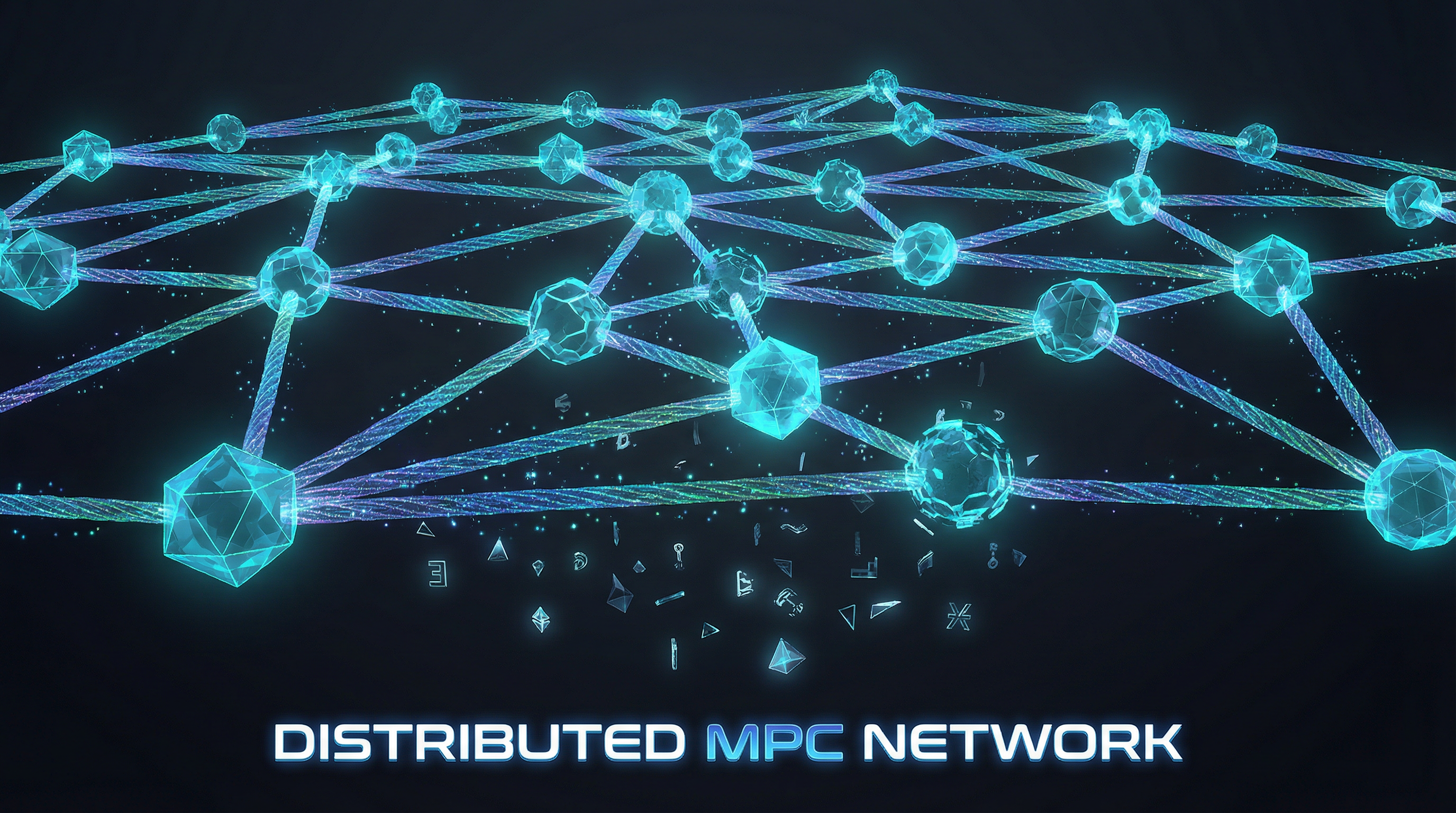
At the heart of our vault is the world's first commercial implementation of Threshold ML-DSA. The private key is never constructed—multiple parties each hold a secret share and collaboratively produce signatures without revealing their individual shares. The result: distributed MPC security combined with NIST-standardized quantum resistance.
Secure Enclaves & Hardware Isolation
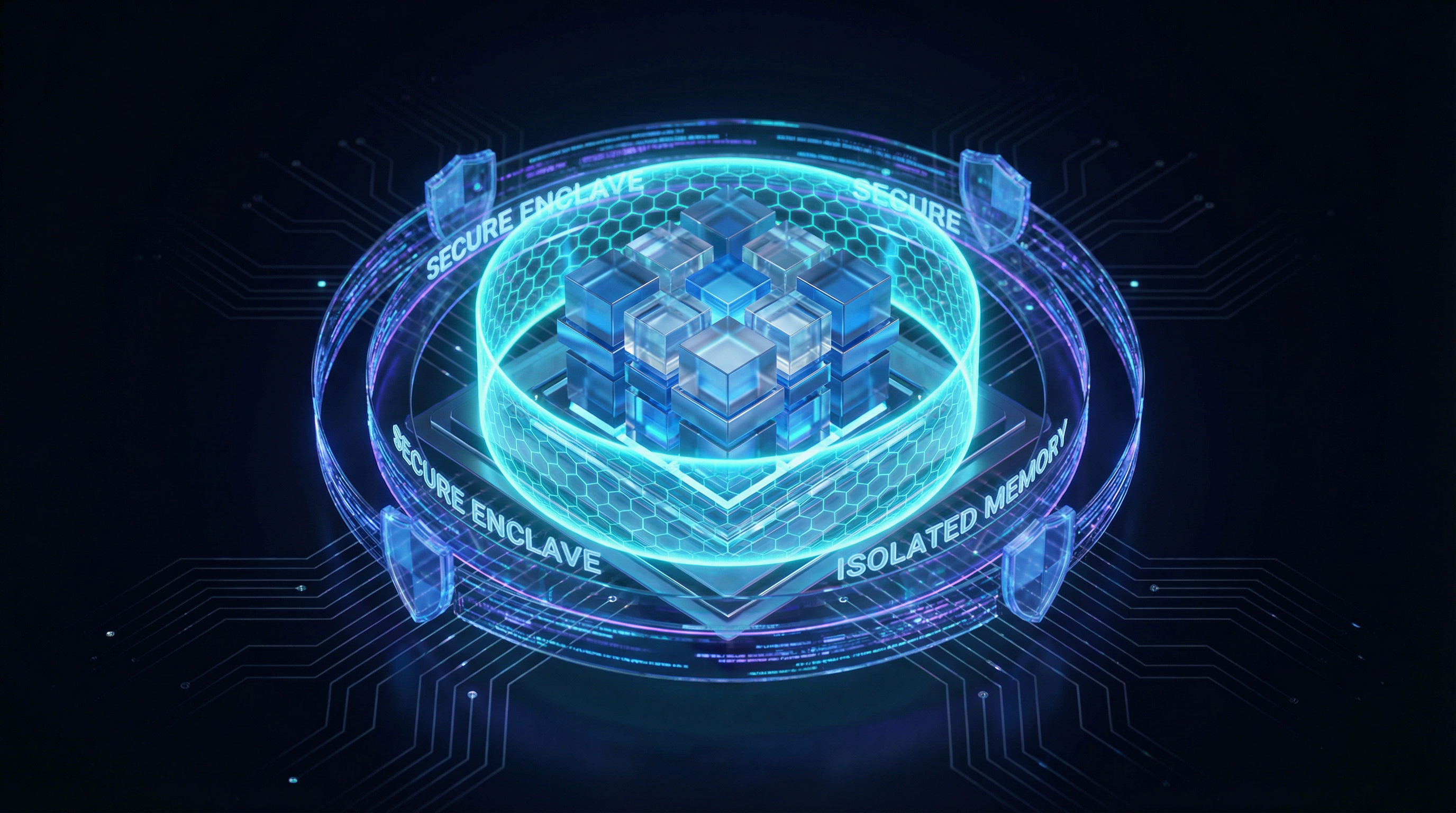
Each key share is generated, stored, and used exclusively within hardware-isolated, encrypted memory regions (Intel SGX, ARM TrustZone). Even if an attacker gains root access to the server, they cannot extract or misuse the key share. This provides defense-in-depth against malware, remote attacks, and malicious insiders.
Transaction Intent Verification
Before any signature is created, each MPC node independently verifies the transaction against immutable policies: multi-user approvals, spending limits, whitelisted addresses, and time-based restrictions. If a transaction violates policy, the nodes refuse to sign. The vault signs what you intend, and nothing else.

Ready to Secure the Future?
Join the leaders who are building quantum-resistant infrastructure today. Request a demo to see the Silence Laboratories PQ-MPC Vault in action.